Project 09: Konakhola Field Notes
Participatory Research on Agricultural Practices, Land Use and Resource Distribution in Konakhola, Keraniganj
Media
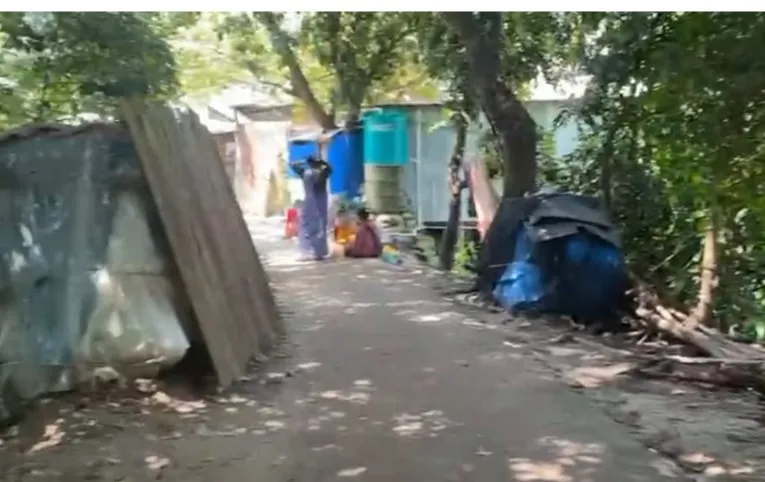
The transect walk recorded on the day, as linked in the portfolio report.
Description
During the Summer 2025 semester, I conducted a field research project for MSJ3161: Participatory Research Method at the University of Liberal Arts Bangladesh (ULAB). The study, titled "Participatory Research on Agricultural Practices, Land Use, and Resource Distribution in Konakhola, Keraniganj," explored the livelihoods and environmental challenges faced by a marginalized Hindu community. Using the Participatory Rural Appraisal (PRA) approach, I applied research tools such as Transect Walk, Farmers Field School (FFS), and Resource Mapping to collect field data. The project documented local agricultural practices, seasonal livelihoods, land use, and resource distribution while highlighting community resilience. It provides valuable grassroots insights that can support policymakers and NGOs in designing more effective and community-centered development programs.
Justification
This research explores the livelihoods and challenges of a marginalized Hindu community in Konakhola, Keraniganj, with a particular focus on women's contributions to household income. I chose this topic because I wanted to understand how local communities adapt to economic and environmental challenges by using their traditional knowledge and available resources. Using a participatory research approach, the project encourages community members to identify their own needs, strengths, and solutions. It highlights the importance of recognizing women's work, improving skills, strengthening market access, and promoting sustainable community development. Through this research, I hope to support more inclusive development initiatives that enhance economic resilience and improve the quality of life for marginalized communities.
§ Project
The submitted document, in full.
JavaScript is off, so the reader is not running. Download the PDF ↓ Open in new tab ↗
Scroll to read the whole report. Pinch to zoom. If the embedded viewer is blocked, the two buttons still work.
Outcomes and Learning
This project strengthened my research, fieldwork, and community engagement skills by providing practical experience in participatory research methods. It improved my ability to plan field studies, conduct community mapping, carry out transect walks, write detailed field notes, and present findings through written reports and video presentations. Through this work, I gained a deeper understanding of participatory development, sustainable resource management, and the importance of building trust with community members during the research process. The project also enhanced my critical thinking and analytical skills by helping me connect local experiences with broader social, economic, and environmental issues. Overall, this experience made me a more confident, responsible, and compassionate researcher, capable of conducting ethical, community-based research that supports inclusive and sustainable development.